Test article: With all the components and a long title for mobile and computer, really very long. Don't make it that long.
When we talk about searching for cacao, we don’t think about the fine details in between that make each journey unique. I’ll paint a picture. We load up into Matias’s pickup, all crammed in, luggage tied, ready for our seven-plus hour journey to Bagua. The hours are filled with almost a calculated routine of: dose off for 20 mins, wake up to breathtaking mountain ranges, mumble questions in spanish over the epic playlists of 80s Peruvian rock.

Where all begin
At nightfall we ride the curvy roads through the “bosque seco” where it hadn’t rained in over four years, then whisking over abrupt mixes of asphalt, fallen rocks, dirt, and deep dips all the way up to 2100m, and then of course back down towards the selva.
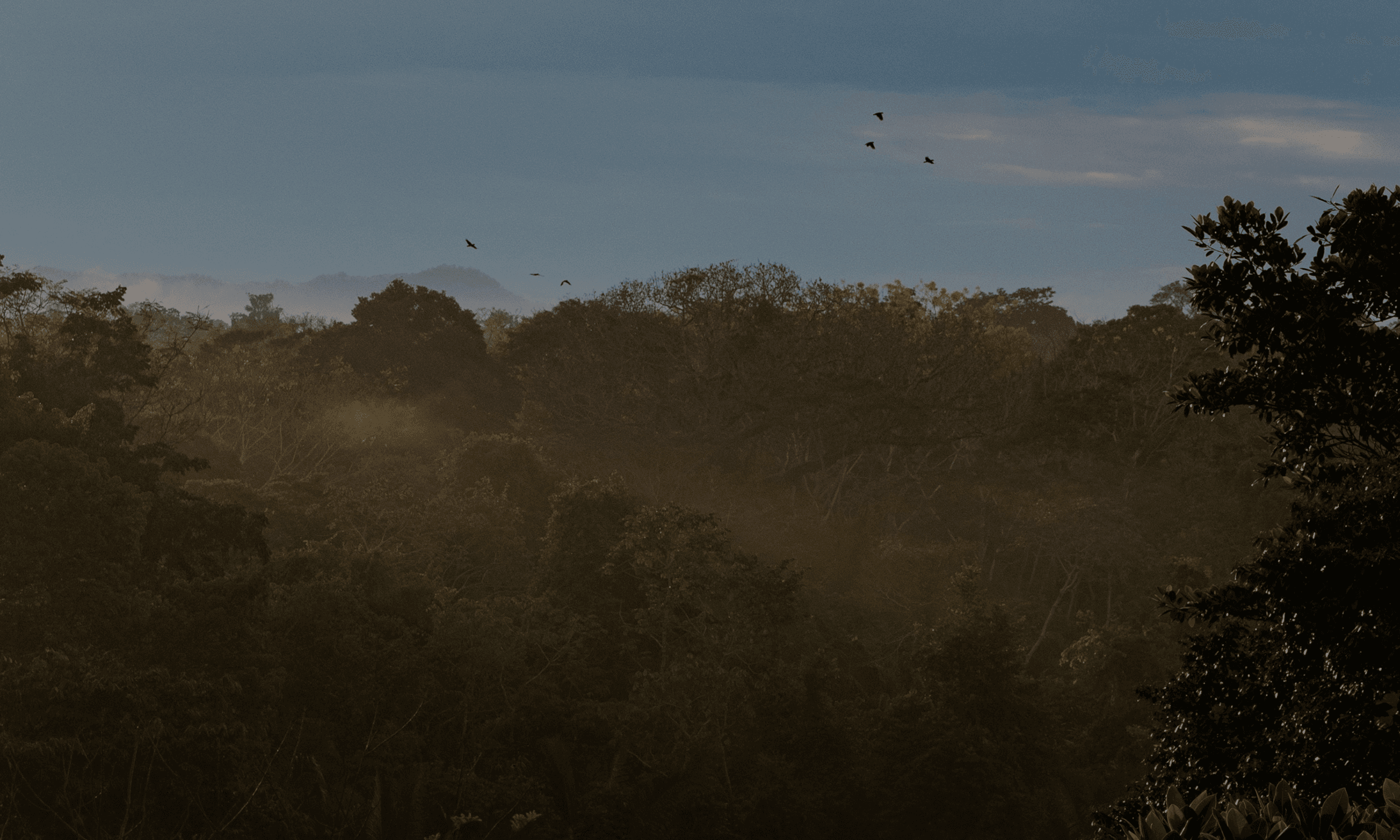
La selva. A word I absolutely adore. Selvatico, salvaje, wild. Respected. Regarded. Regal in her splendor and power. Driving through as much as walking through is a sensation so humbling, like feeling completely protected yet at the complete disposition of any unpredictable event at any given moment.
This is a test
Think to fill that
Again a test
Maybe put the author
You can add wrong format
It's just crop the pic
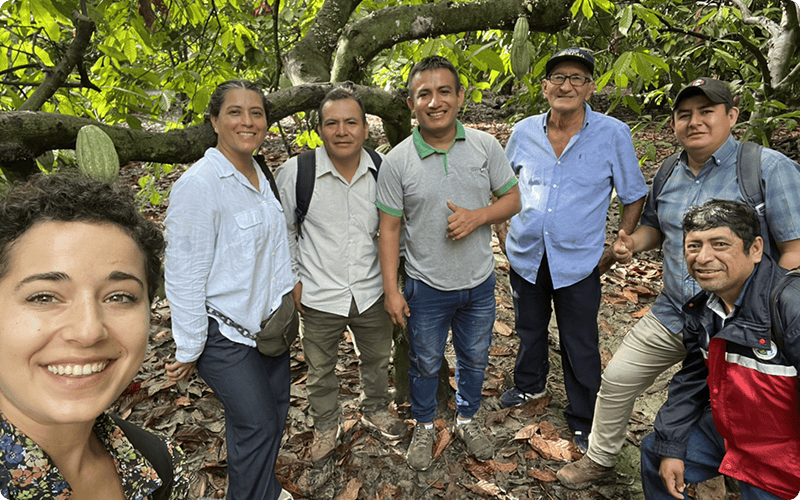
Always prefer the right format
It's better for performance
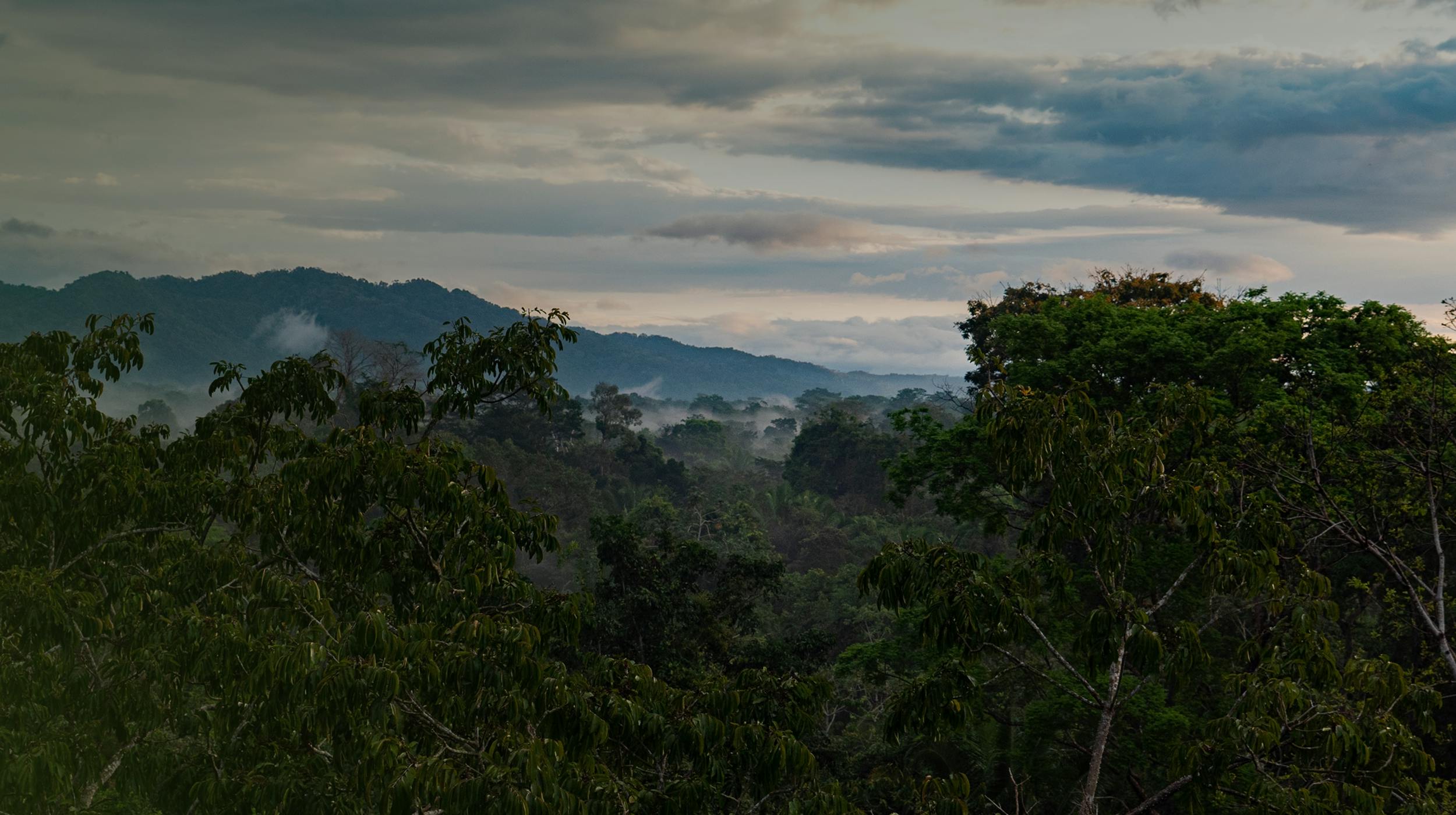
A big picture
Takes much longer to load
On our way to the farm, we’re stopped along the crest of the waters that devastated this village not 5 years ago. For how much Mother Nature continues to reclaim, us humans continue to take away. Each turn we take reveals more and more deforestation. Once lush forests are now seemingly endless fields that have been groomed for farming rice—a crop that does not allow for the rich, intricate, biodiversity that cacao farming encourages.
“The good thing is that, in Amazonas, in these areas of cacao that [the farmers] preserve they’re also preserving the area itself. Because we see a lot of rice farms. I mean, there’s so much deforestation of the forests to plant rice that now there are these sort of cacao “islands” in the middle of all of these rice fields.”

Meet the leadership
From on-the-ground trainers to global partners, our team leads the effort to protect heirloom cacao biodiversity and strengthen farming communities.
Meet the people shaping preservation, advancing research, and supporting farming communities worldwide.
Lyndel Meinhardt led the genetics discussion, comparing each designees.
Following the awards ceremony, Rowan Jacobsen presented his eighth book, WILD CHOCOLATE, which dives into the discovery and development of wild cacao.
Following the exciting announcements, a few of the HCP Board Members delighted the audience’s tastebuds with samples of their chocolates made with certified Heirloom cacao.

On our way to the farm, we’re stopped along the crest of the waters that devastated this village not 5 years ago. For how much Mother Nature continues to reclaim, us humans continue to take away. Each turn we take reveals more and more deforestation. Once lush forests are now seemingly endless fields that have been groomed for farming rice—a crop that does not allow for the rich, intricate, biodiversity that cacao farming encourages.


Photos:
Top Left : HCP Executive Director Anne Zazcek (right) and Communications Coordinator Alyssa D’Adamo (left)
Top Middle: Dancing Lion’s intricate assortment of Heirloom Excellence
Top Right : Loon Chocolate’s 70% Bolivian Heirloom TRANQUILIDAD, Bolivia
Bottom Left: Grocer’s Daughter 85% Los Rios — VINCES, Ecuador
Bottom Right : Awarding former HCP President and Heirloom Designee in Belize, Jacob Marlin, with a glass cacao pod to honor him for his contributions to the HCP.
Just a Random Title
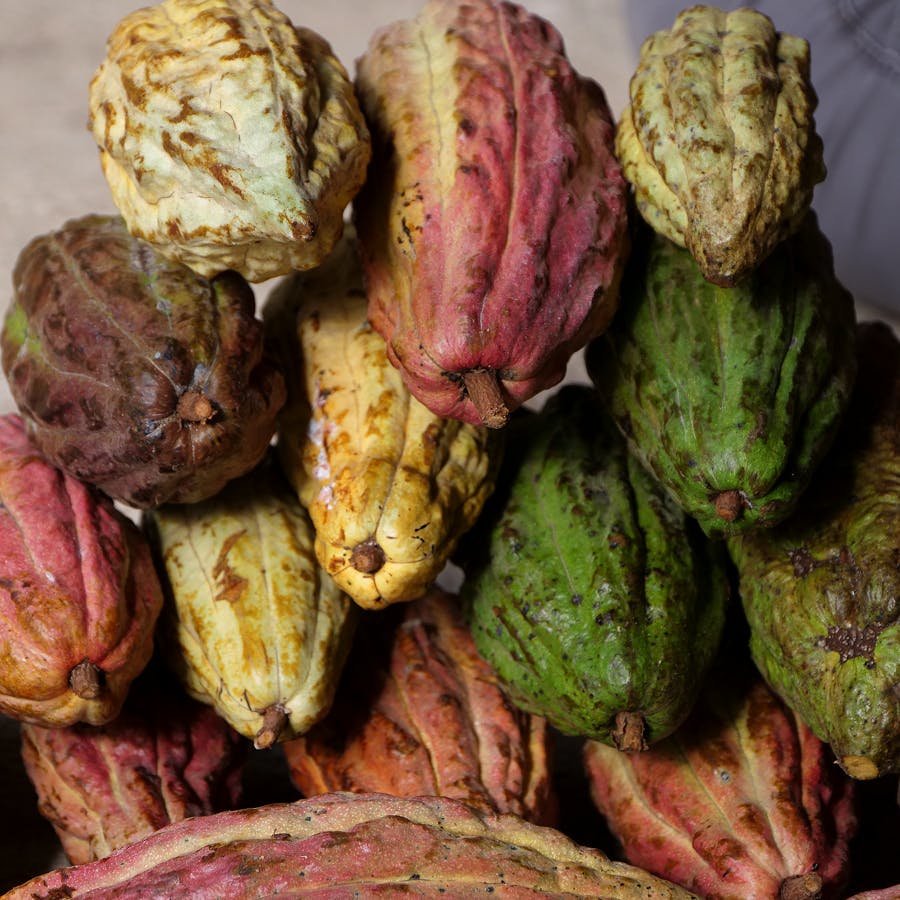
From the two hectare cacao island, Leon takes us to the farm of one of the seventy eight women that belong to CEPROAA. Irene is an engineer taking care of her family’s farm that none of her siblings wanted to take on after the passing of their parents. Her cacao island spans over four hectares and, similar to Don Alfonso’s farm, is also surrounded by rice fields—some of which belongs to her. The cacao farm was nearly completely abandoned when she took it on. To earn money, she started cultivating rice, bananas, and eventually took notice to the particular, special-looking cacao on her farm. With the support of CEPROAA, the farm is flourishing with ancestral cacaos.
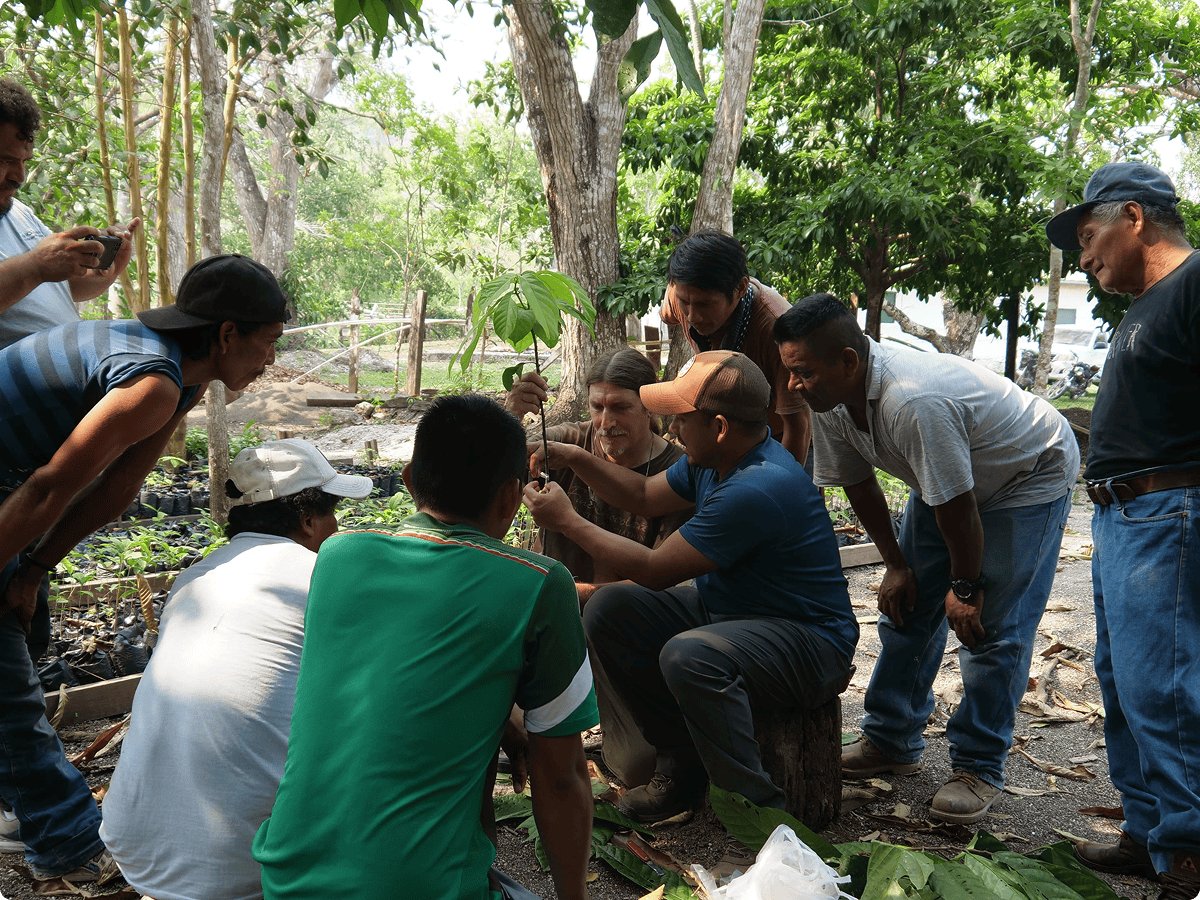
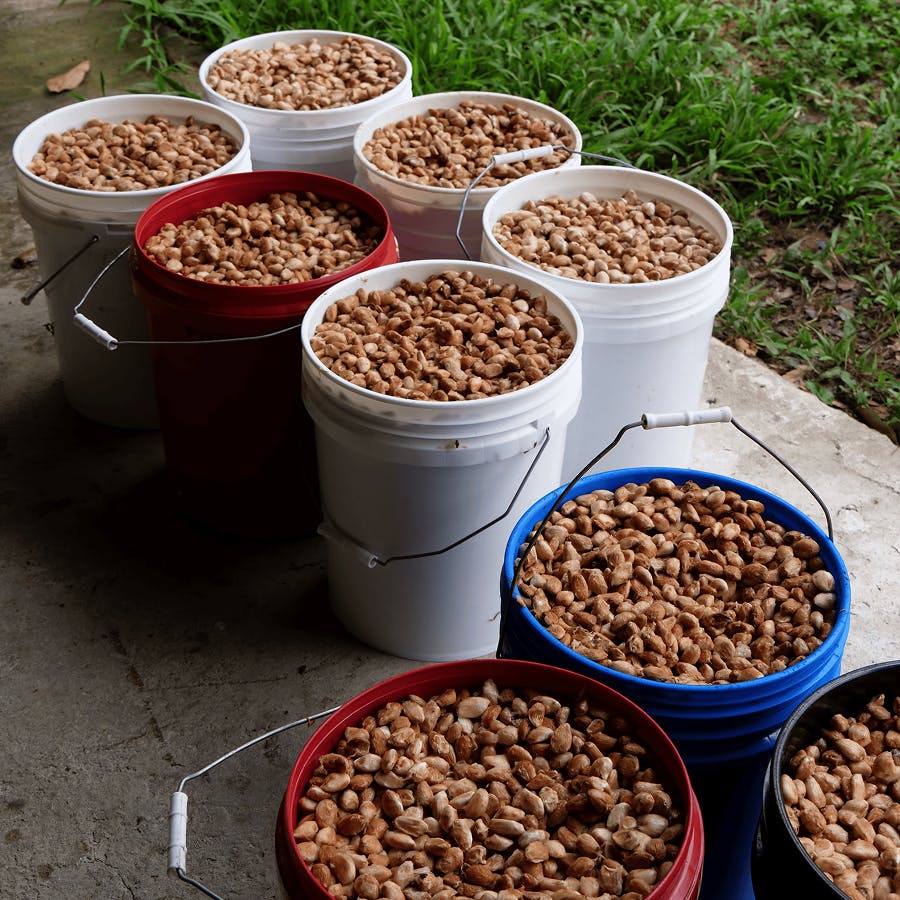
We visit CEPROAA to do the same. All of the staff at the cooperative gather around the fermentation boxes for a live demonstration and explanation by Don Leon, while Mey inspects the drying facilities and cacao processing equipment.
I agree with Mey when she says that it finally feels like we're all on the same page. We're working towards a common goal: preserve cacao, support farmers, save the planet, and make really good chocolate.
Next stop for us, and last stop for me for now: the native community of Tornillo.
Celebrating 21 Heirloom Designations Across 11 Countries around the world.
We had the opportunity to run a discovery initiative on the topic of emerging artists. The goal was to identify the critical pain points in their constant effort of "trying to make it" and identify the most promising opportunities for Deezer.
25+ user interviews were conducted and 60+ actionable insights were shared to empower strategic discussions.

Support through taste.
You can support biodiversity every time you choose Heirloom chocolate.
Each bar made with certified Heirloom cacao contributes to fair income for farmers and helps preserve rare cacao genetics.
Prefer short lists!

Meet the Farmer
We work with them
Don Esteban generously offers us fresh oranges from his farm to cool off before his sweet granddaughter helped me take my final shots with the drone.







You may also like