Production in Peru
Capacity Building and Quality Training in Peru
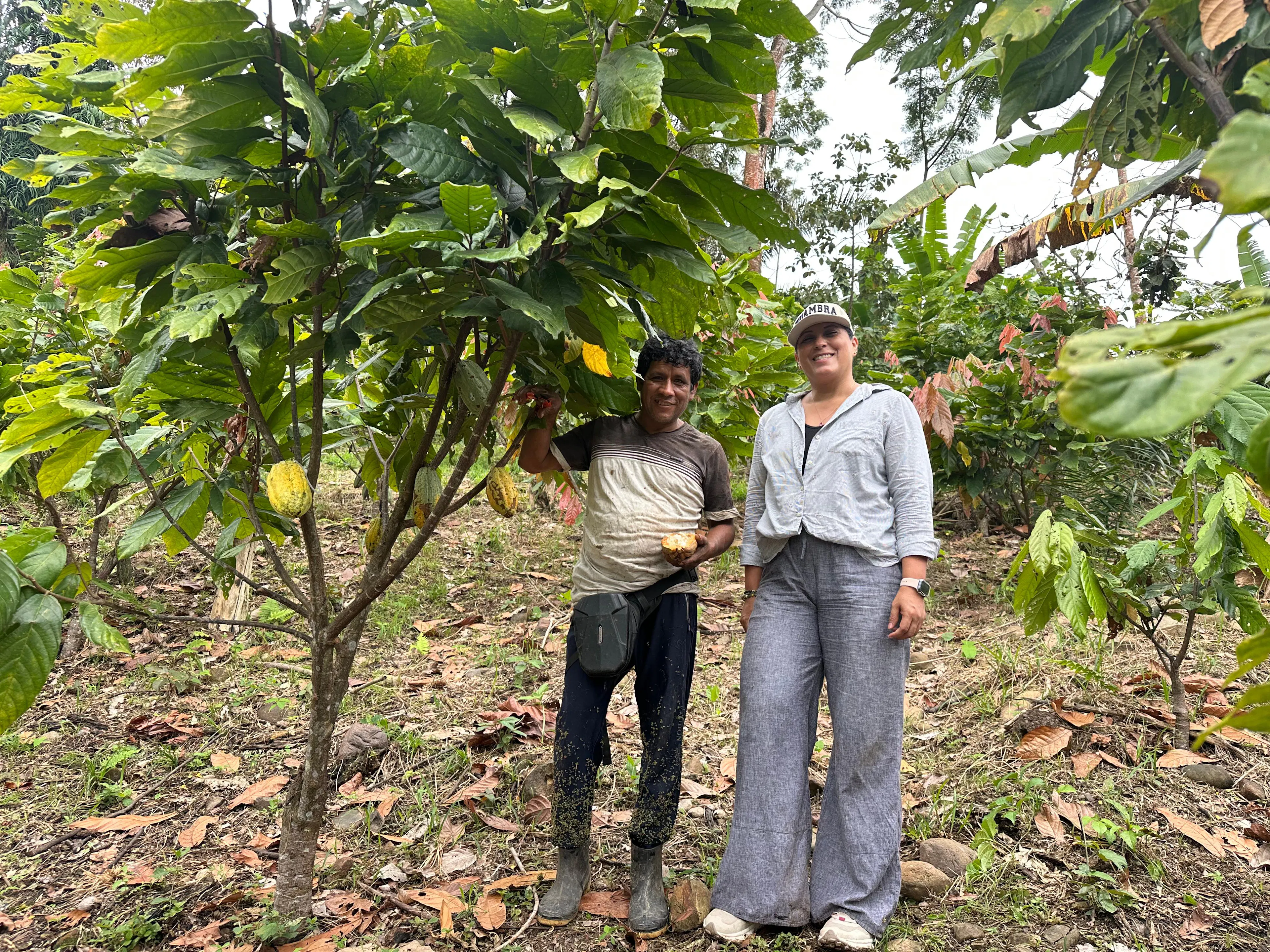
This past year, we’ve been working closely with Local Implementing Partner (LIP), Mey Choy Paz, in Peru. Her efforts have been focused on providing technical assistance to cacao producers in four key regions, with the goal of improving the quality and production of their cacao.
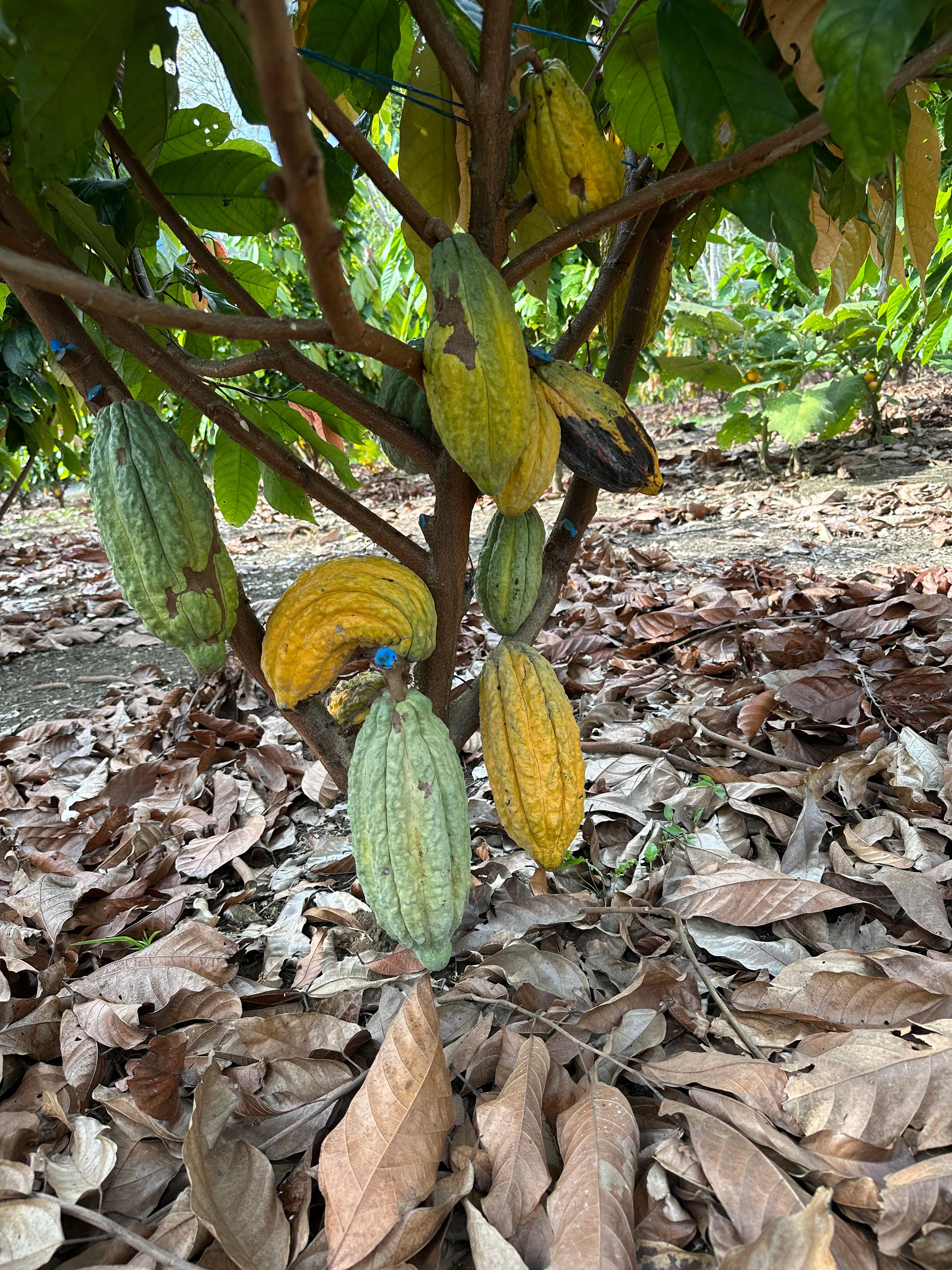
Our collaboration has involved creating educational guides and a technical video series, which Mey has been using during her visits to local farms. With a reported 30% increase in cacao production on the farms involved, farmers are showing enthusiasm for continuing to learn and grow with Mey and her team. This success is a result of the producers' hard work and investment, including better disease control and fertilization, with our training and monitoring contributing to this positive change.
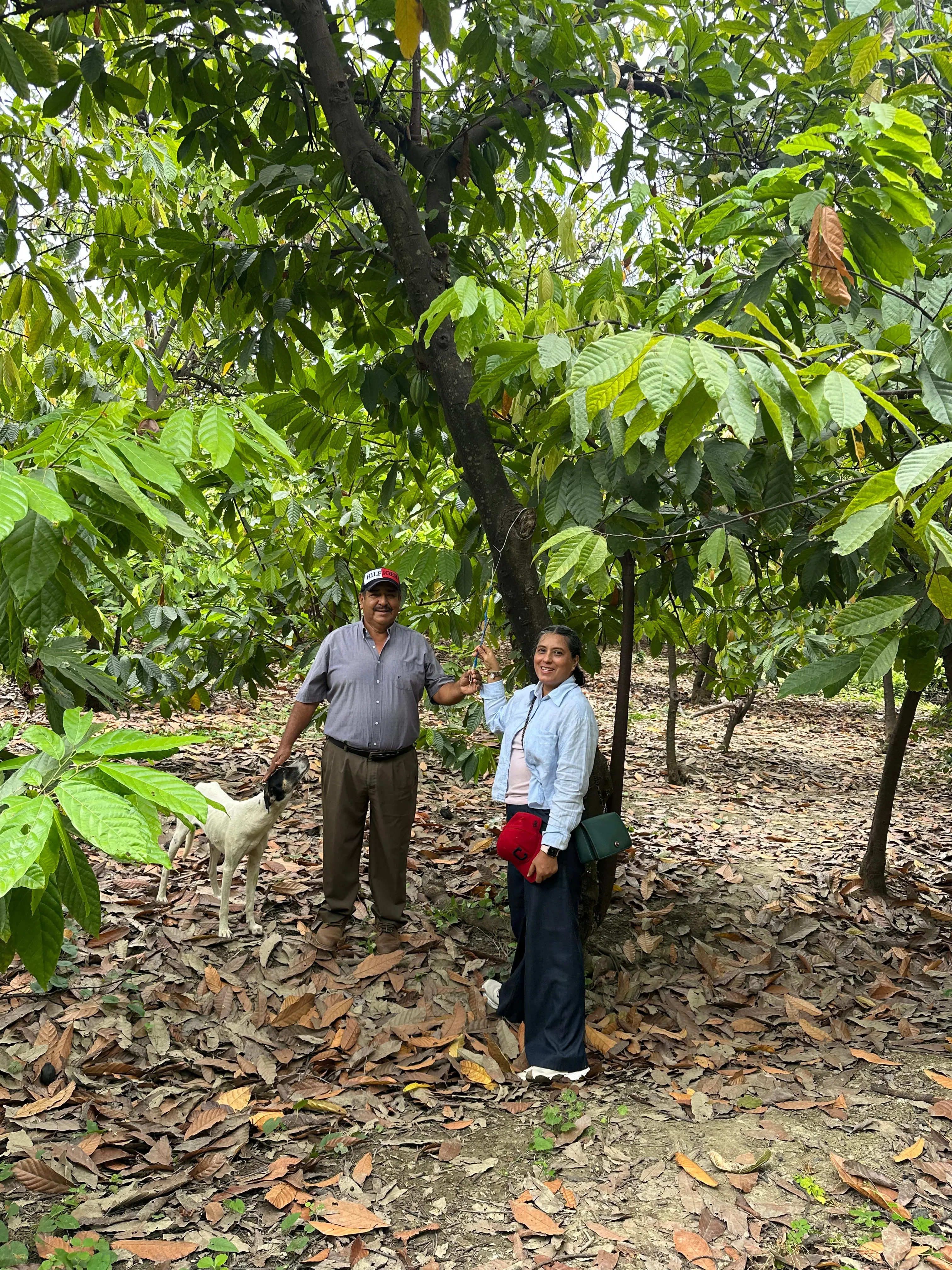
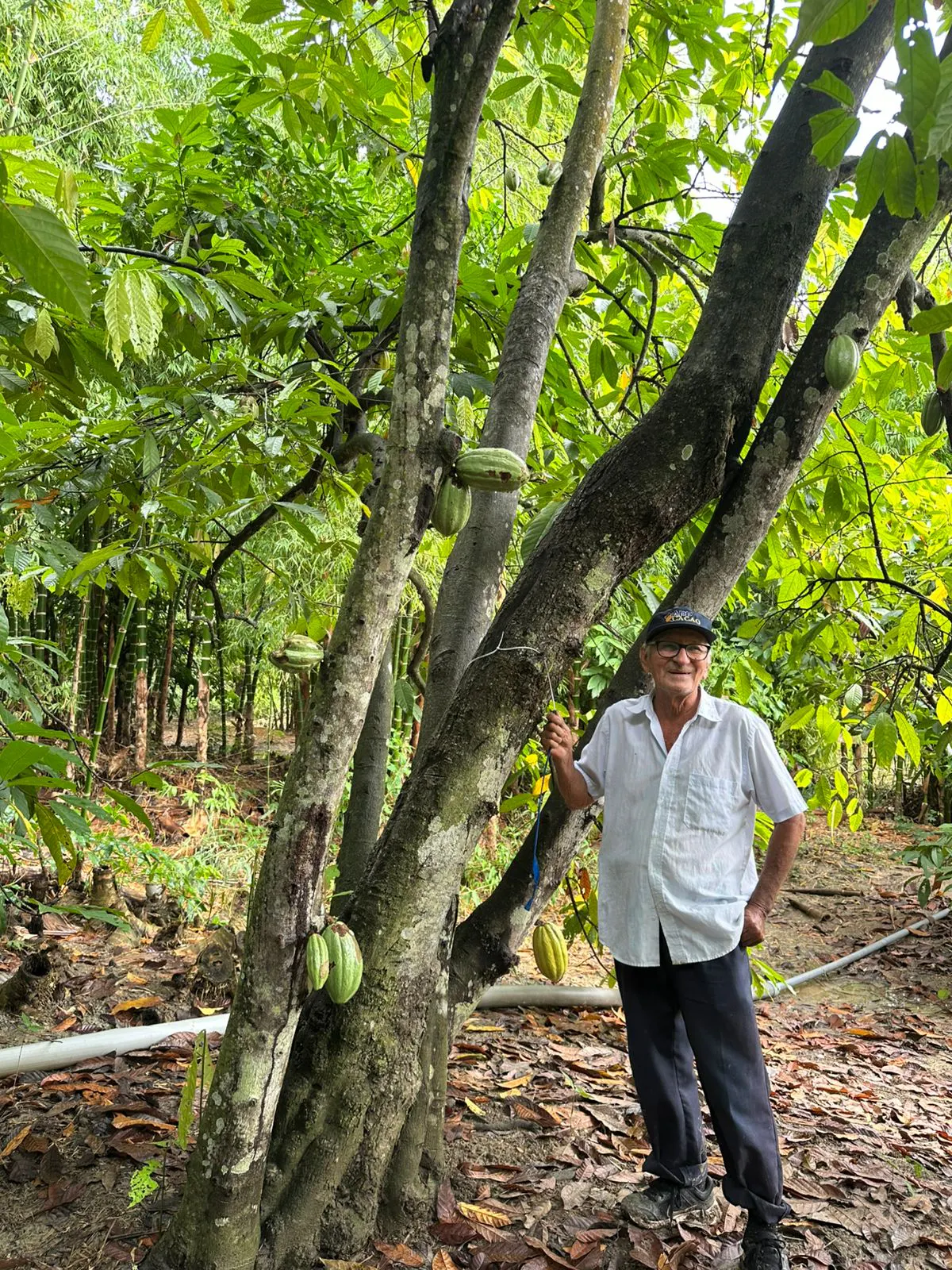
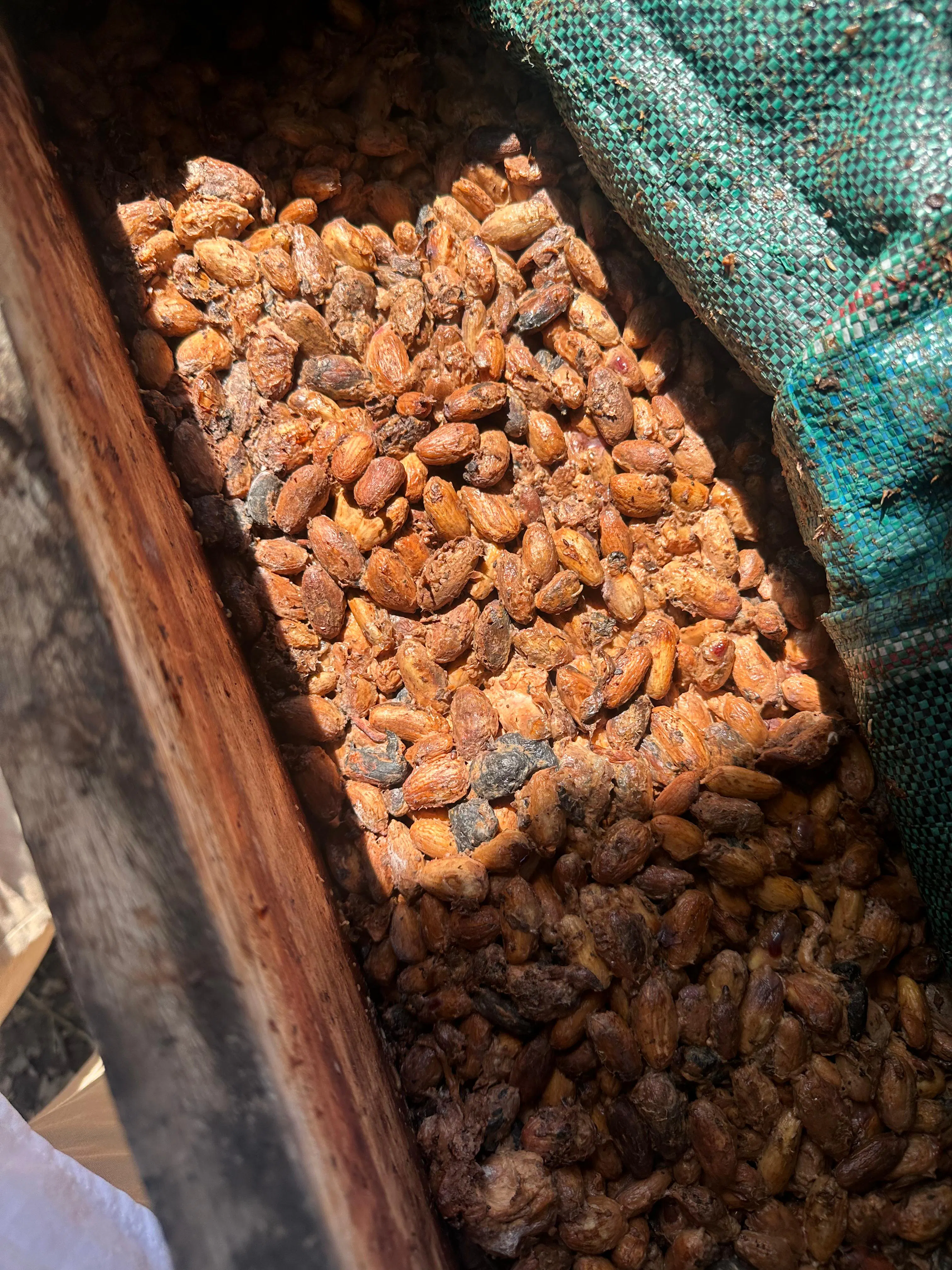
Recently, Mey conducted a series of visits and training sessions, reviewing the health of cacao trees, discussing production, and conducting sensory training. She was able to meet with several producers, including Mr. Jose Arguinigo, Mr. Alfonso Delgado, and Mrs. Irene Hidalgo, who we visited together last year to film our Peru documentary series. During these visits, we highlighted the importance of proper post-harvest processing, using samples of cocoa liquor to illustrate the direct link between processing methods and final flavor. It's particularly rewarding to see the growing interest from producers who want to apply for Heirloom designation, a recognition of Peru's rich biodiversity and native cacao varieties!
Looking forward, Mey has plans to visit the VRAEM region in August to continue our training with the HCP guide and assist new producers in preparing cacao bean samples for shipment. We will also continue to search for and train more producers who have rare and exceptional cacao with potential to preserve biodiversity in various regions.
Our work on the ground in Peru has provided valuable insights. We're seeing firsthand the potential of native and genetically diverse cacaos to be productive, fine-flavor, and help preserve forested areas. We're also seeing a growing enthusiasm from farmers successfully manage their harvests and post-harvest processes to improve production, which shows that they are recognizing the value of their cacao. While challenges remain, such as fluctuating prices and climate issues, we are confident that our continued partnership will help elevate the quality of these special cacaos and uplift the communities of these dedicated farmers.


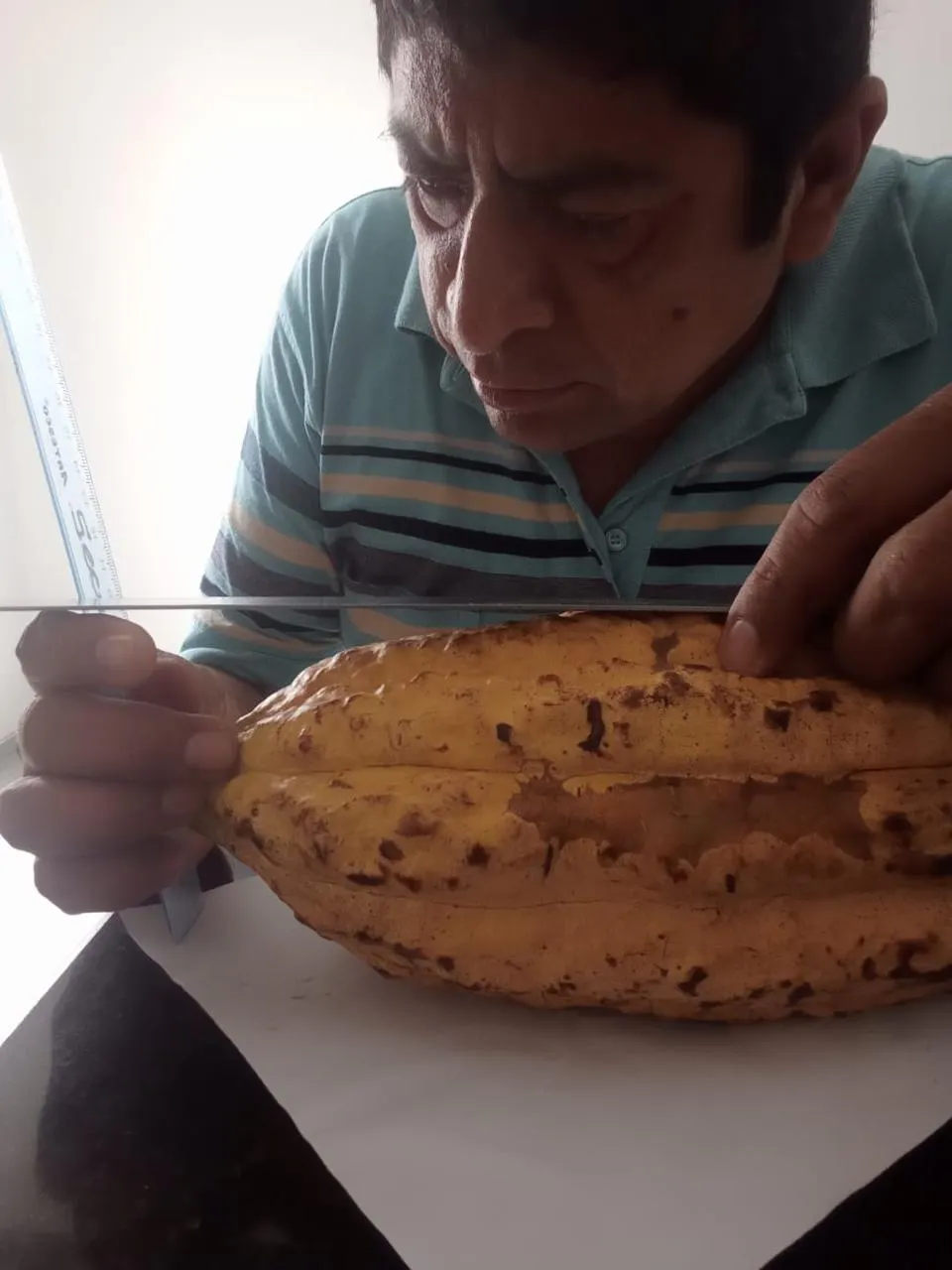
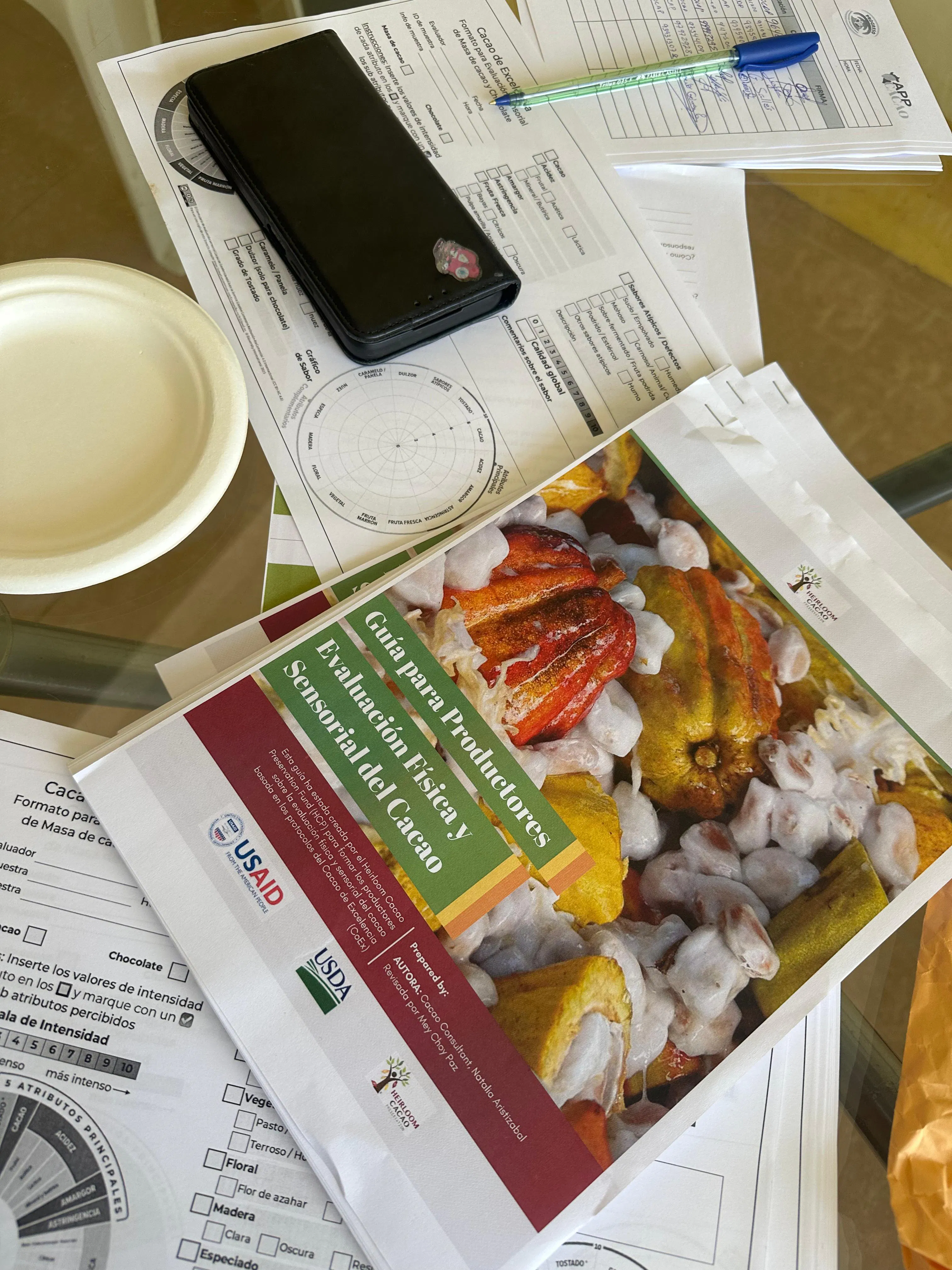
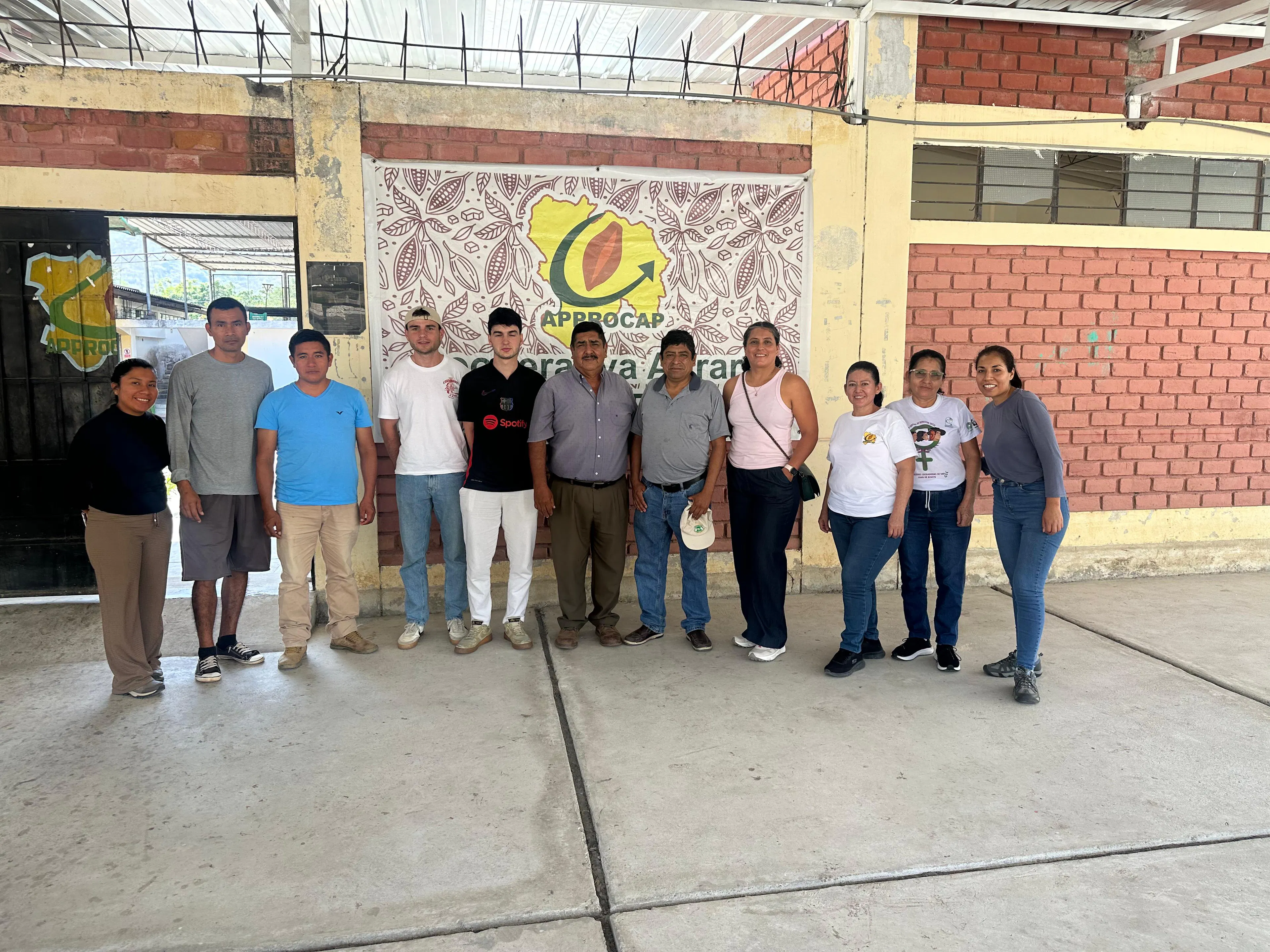
In October, we conducted two intensive training sessions designed to elevate cacao quality and sensory expertise for local producers and technical teams. Both workshops followed the rigorous standards of the Cacao of Excellence and the HCP Producer Guide to Flavor and Quality Evaluation.
VRAE Region | October 9–11 We hosted 23 participants from Cacao Vrae and Cooperative Quinacho—two organizations that submitted cacao samples for evaluation last year. The curriculum focused on:
• Post-harvest processing and physical bean analysis.
• The technical process of transforming beans into cocoa liquor.
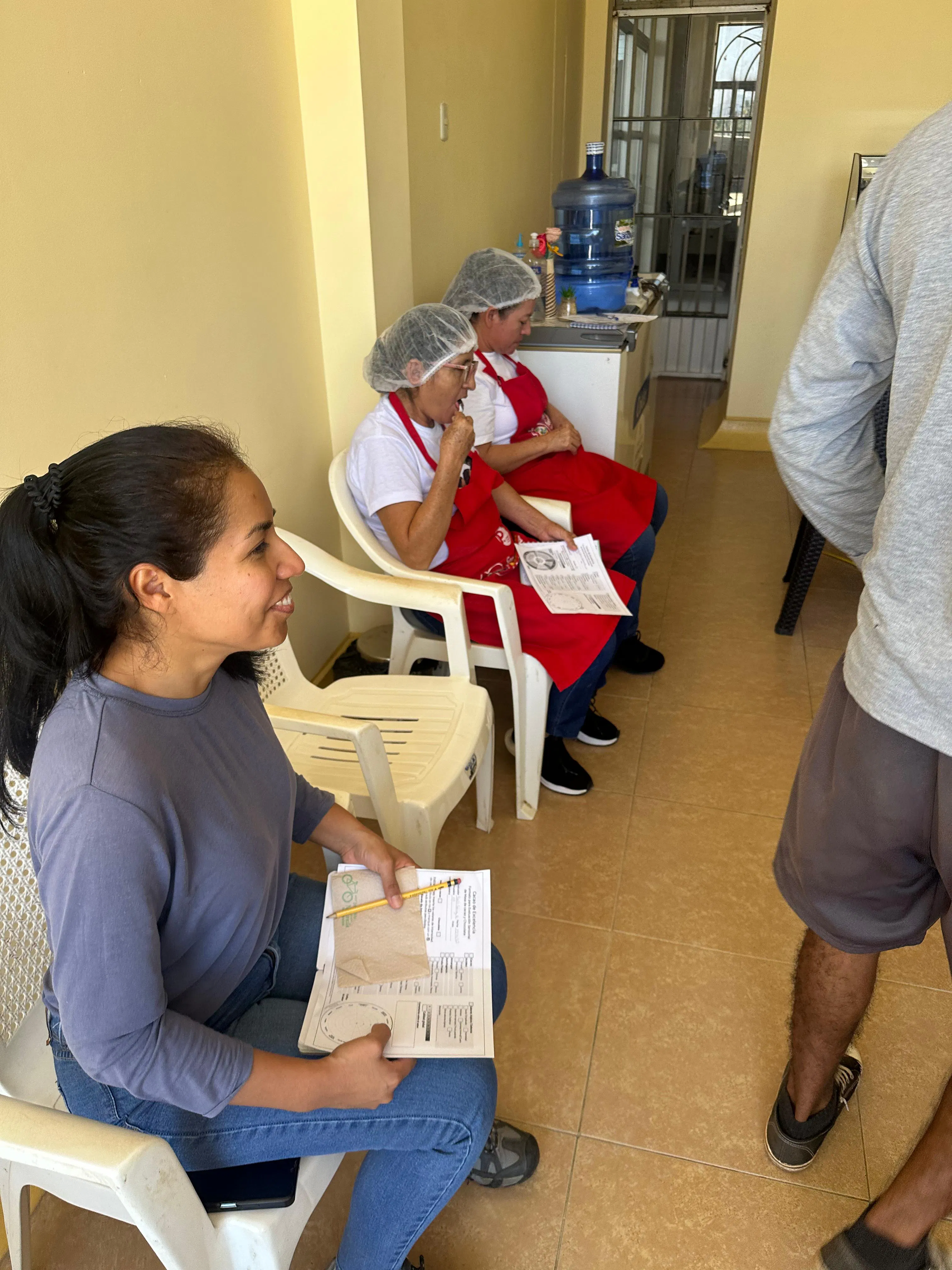
• Foundational liquor tasting and sensory evaluation.
Amazonas Region | October 22–24 With support from the FOLUR Project, we trained 25 producers and technicians in Amazonas. This region currently holds a Denomination of Origin for 60 tons of cacao, with active efforts to expand this volume. Notably, the two samples we submitted for Heirloom designation last year fall within this prestigious zone. Key topics included:
• Good Agricultural Practices (GAP) and the impact of genetics on flavor.
• Advanced sensory analysis, including identifying basic flavors and intensity.
• Hands-on practice using Cacao of Excellence sensory forms to evaluate liquor and finished chocolate.
In 2026, the HCP will be continuing this work with Mey Choy Paz across regions that Mey and her team have selected.
Capacitación